Why Sustainable Concrete Matters for Everyday Buildings
Sustainable concrete isn’t just for mega‑projects, green cities, or futuristic infrastructure. It plays a crucial role in the homes we live in, the schools our children study in, the offices we work in, and the shops we visit every day. When everyday buildings use sustainable concrete, the benefits ripple through communities, budgets, and the environment.
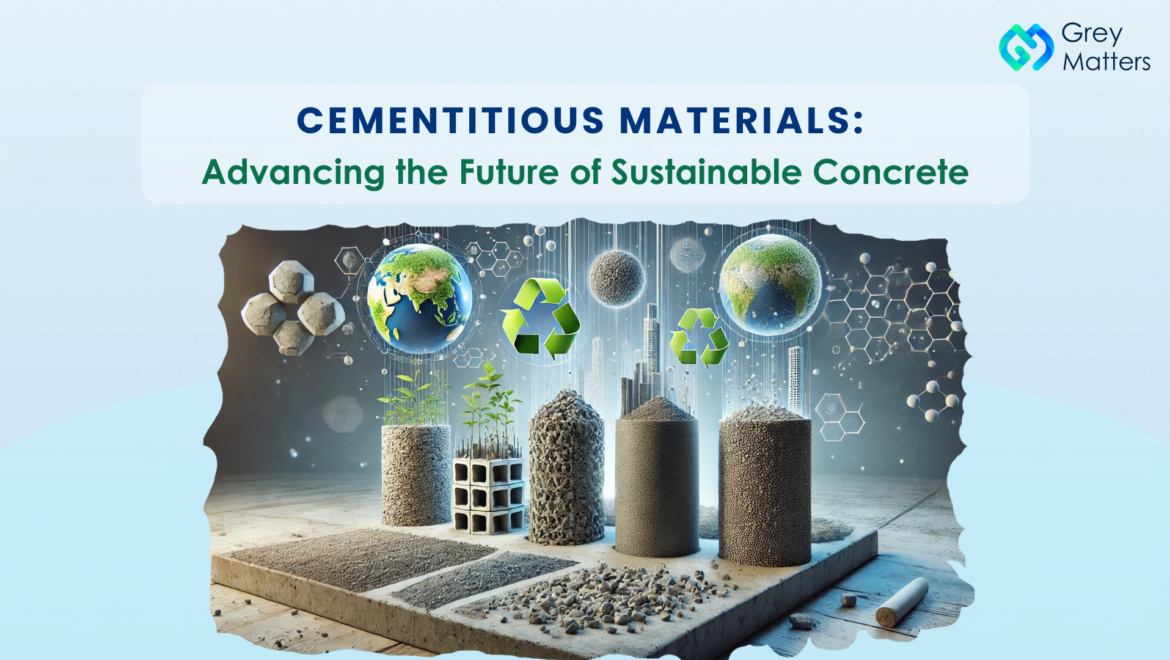
Concrete is present in almost every building, which means even slight improvements in production can create significant environmental benefits over time. By incorporating low‑carbon mixes, supplementary cementitious materials, and efficient batching practices, everyday construction can reduce emissions without altering the appearance or functionality of the final structure. These changes are subtle but powerful, helping communities move toward sustainability through routine building activity rather than extraordinary interventions.
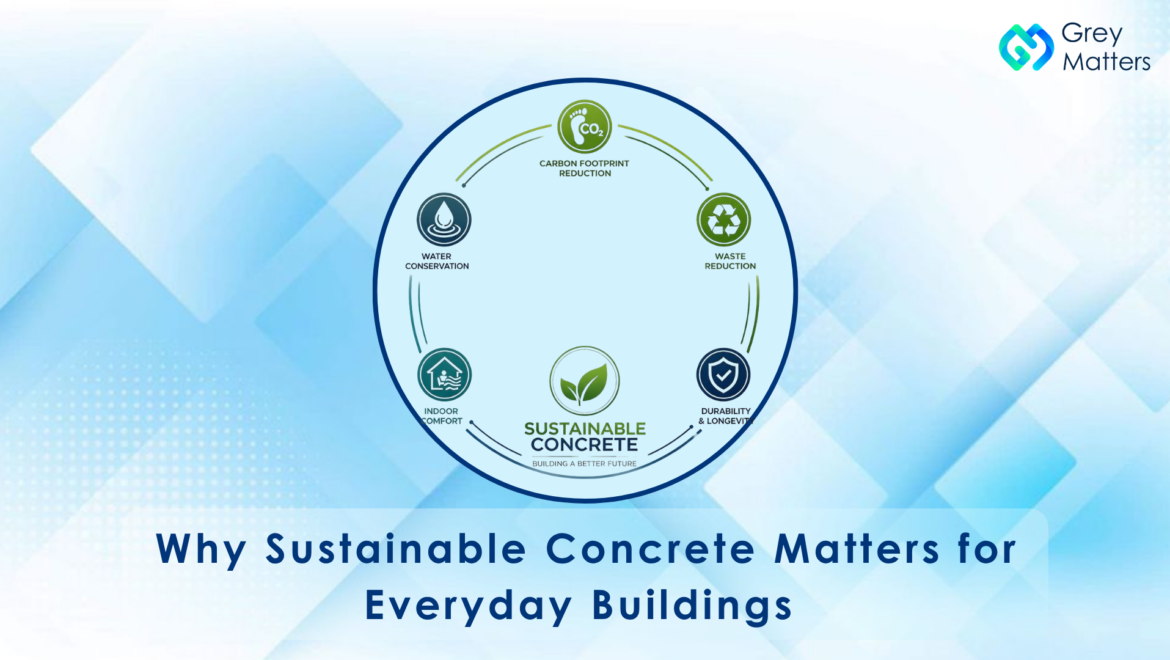
One of the most noticeable advantages of sustainable concrete is improved indoor comfort. Certain materials used in sustainable mixes enhance thermal performance, allowing buildings to remain cooler during hot months. In regions like the UAE, where cooling demand is high, this translates directly into lower energy consumption and reduced strain on air‑conditioning systems. Homes and schools become more comfortable, and occupants benefit from a more stable indoor environment with fewer temperature fluctuations.
Water conservation is another essential benefit. Modern sustainable concrete production relies on water recycling systems and optimized curing methods that significantly reduce water usage. When thousands of cubic meters of concrete are produced for everyday buildings, these savings accumulate quickly, easing pressure on local water resources and supporting responsible construction practices.
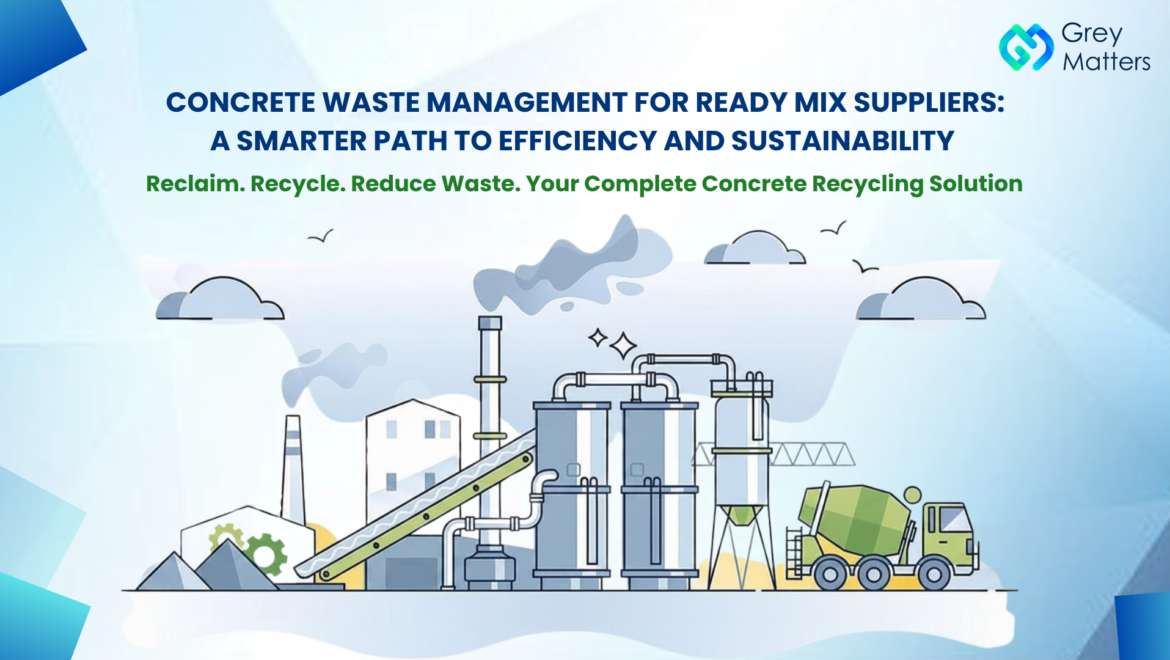
Sustainable concrete also helps reduce construction waste. By encouraging the reuse of leftover materials, improving batching accuracy, and promoting the recycling of demolished concrete, it leads to cleaner sites and lower disposal costs. This approach supports a circular economy where materials are used more efficiently and waste is minimized.
Durability plays a central role in sustainability, and everyday buildings benefit greatly from concrete enhanced with Secondary Cementitious Materials such as fly ash, GGBS, or micro silica. These materials help concrete resist cracking, withstand harsh climates, and maintain structural integrity for longer periods. As a result, homes, schools, and offices built with sustainable concrete require fewer repairs and less maintenance, reducing long‑term costs for owners and extending the lifespan of the structures.
Financial advantages further strengthen the case for sustainable concrete. Lower energy bills, reduced maintenance, longer service life, and easier compliance with green building standards make it a smart choice for developers and homeowners alike. Developers gain stronger ESG alignment, while residents enjoy more efficient and durable living spaces.
Ultimately, when everyday buildings adopt sustainable concrete, the benefits extend far beyond the construction site. Communities experience cleaner air, lower emissions, reduced waste, and more comfortable environments. Sustainability becomes woven into daily life, not reserved for landmark projects or high‑profile developments. It becomes a practical, achievable step toward a healthier and more resilient built environment.