News

News

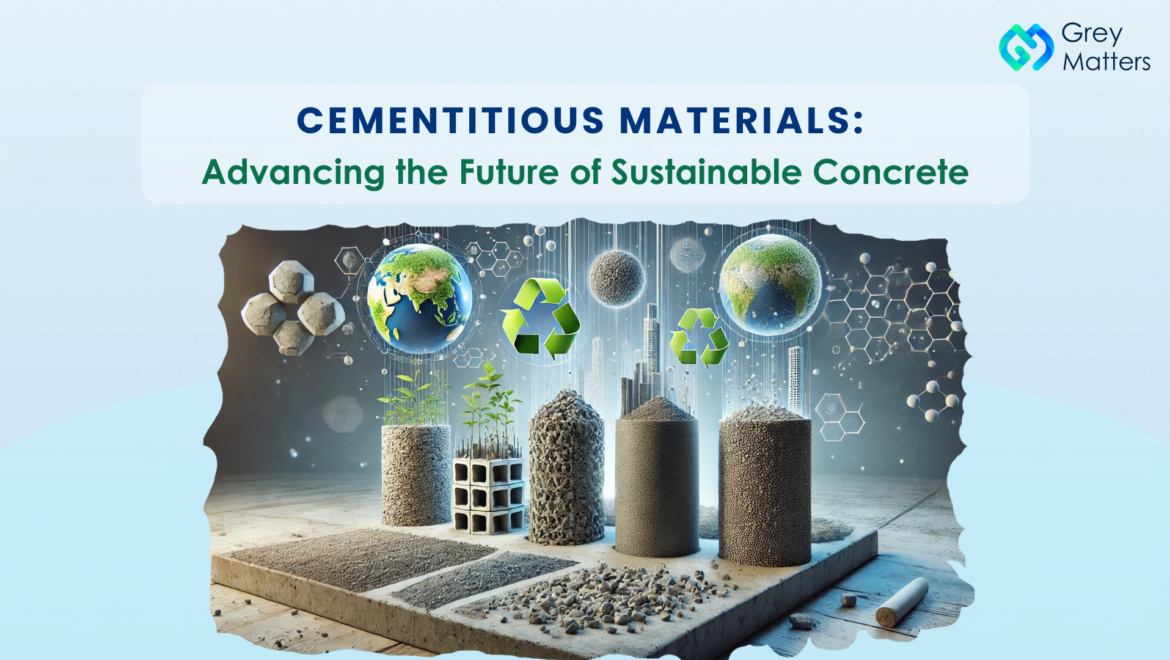
Cementitious Materials: Advancing the Future of Sustainable Concrete

Concrete remains the backbone of global infrastructure, yet its environmental footprint—driven largely by Portland cement production—continues to challenge the industry’s sustainability ambitions. As the world moves toward low‑carbon construction, cementitious materials have emerged as one of the most effective pathways to reduce embodied carbon while enhancing long‑term performance. Their role is not simply additive; they fundamentally reshape how concrete behaves, how long it lasts, and how responsibly it can be produced.

Cementitious materials, often referred to as supplementary cementitious materials (SCMs), are incorporated into concrete to partially replace Portland cement. This substitution is critical because cement manufacturing is energy‑intensive and releases significant CO₂ during clinker production. By integrating SCMs, the concrete industry can reduce its reliance on clinker, thereby lowering emissions without compromising structural integrity. In many cases, these materials improve the concrete’s durability, making structures more resilient and extending their service life—an essential principle of sustainable design.

One of the most widely used SCMs is fly ash, a fine powder generated from coal combustion. When added to concrete, fly ash enhances workability, reduces heat of hydration, and contributes to long‑term strength development. Its pozzolanic nature allows it to react with calcium hydroxide, forming additional calcium silicate hydrate (C‑S‑H), the compound responsible for concrete’s strength. From a sustainability perspective, fly ash represents a successful example of circular economy principles, transforming an industrial by‑product into a valuable construction material.

Ground Granulated Blast Furnace Slag (GGBS) offers another powerful route to sustainable concrete. Produced from the steel industry, GGBS significantly improves resistance to sulfates and chlorides, making it ideal for marine structures, foundations, and infrastructure exposed to aggressive environments. Its slow hydration rate also reduces thermal cracking in mass concrete applications. By replacing a substantial portion of cement with GGBS, concrete producers can achieve notable reductions in embodied carbon while delivering superior durability.

Microsilica, or silica fume, plays a different but equally important role. It’s extremely fine particles densify the concrete matrix, reducing permeability and enhancing resistance to chemical attack. This makes microsilica indispensable in high‑performance applications such as bridges, tunnels, and industrial floors. Although used in smaller proportions compared to fly ash or GGBS, its impact on durability is profound, contributing to longer‑lasting structures and reduced maintenance over the lifecycle of a building or infrastructure asset.

Emerging materials such as calcined clay and limestone powder are expanding the sustainability landscape even further. Calcined clay, especially when combined with limestone in LC³ (Limestone Calcined Clay Cement), offers a promising low‑carbon alternative capable of reducing clinker content significantly. Limestone powder improves particle packing and enhances early strength, allowing producers to optimize mix designs while lowering cement usage. These innovations reflect the industry’s shift toward more advanced, science‑driven approaches to sustainable construction.

The environmental benefits of cementitious materials extend beyond carbon reduction. By improving durability, SCMs reduce the frequency of repairs and rehabilitation, lowering emissions associated with maintenance activities. Their use also supports responsible resource management by diverting industrial by‑products from landfills and integrating them into high‑value applications. In sustainability certifications such as LEED v5, BREEAM, and DGNB, SCM‑enhanced concrete contributes to credits related to embodied carbon, material efficiency, and lifecycle performance.

In high‑impact sectors—such as marine works, high‑rise buildings, water infrastructure, and industrial facilities—the adoption of SCMs has become a defining feature of modern sustainable construction. These environments demand concrete that can withstand chemical exposure, temperature fluctuations, and long‑term loading. Cementitious materials provide the enhanced durability required to meet these challenges while aligning with global climate goals.

Ultimately, the use of cementitious materials represents a strategic shift toward smarter, more responsible concrete production. By reducing cement content, improving durability, and embracing circular economy principles, SCMs enable the construction industry to build stronger, longer‑lasting, and more sustainable structures. As environmental expectations continue to rise, cementitious materials will remain central to the transition toward low‑carbon, high‑performance concrete.


News

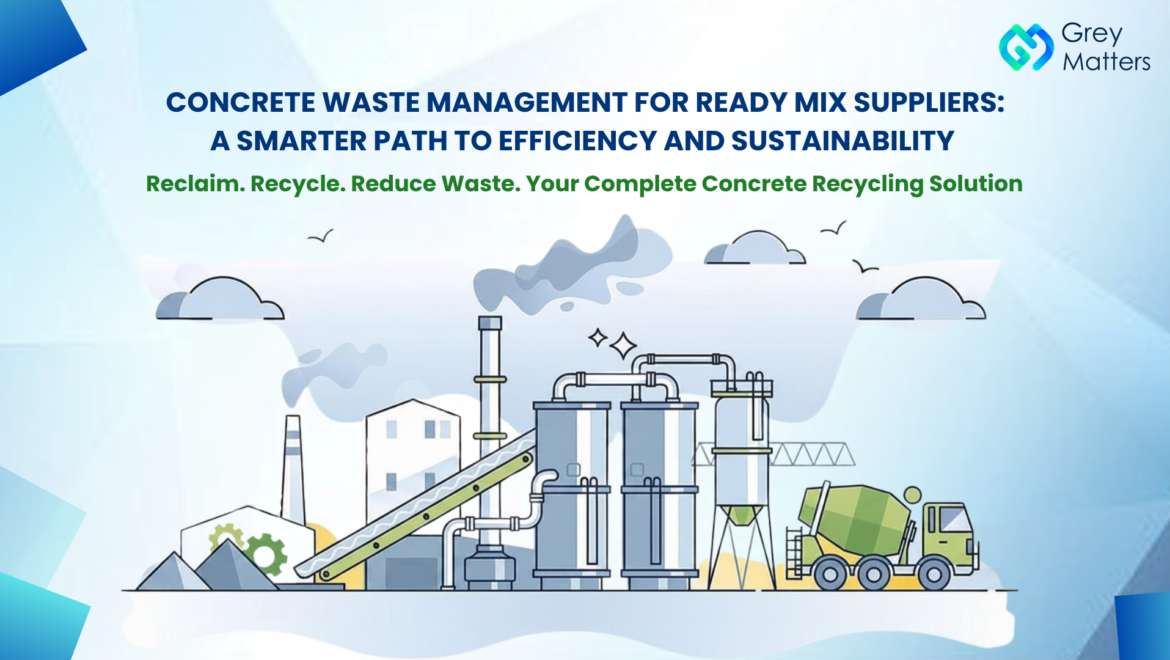
Concrete Waste Management for Ready Mix Suppliers: A Smarter Path to Efficiency and Sustainability

Concrete production has always been a resource-intensive process, but today’s industry is under pressure to operate cleaner, leaner, and more sustainably. Two machines have quietly become heroes in this transformation: the concrete reclaimer and the filter press machine. Together, they close the loop on waste, turning slurry and leftover concrete into reusable materials and filtered water.

Concrete reclaimers are designed to separate aggregates, sand, and cement slurry from returned or leftover concrete. Instead of dumping unused material—which is costly and environmentally harmful—plants can recover valuable components and reuse them in future batches.

How a Concrete Reclaimer Works

  • Material Separation — The machine uses a rotating drum or screw system to break down wet concrete.
  • Aggregate Recovery — Coarse aggregates are washed and discharged for reuse.
  • Sand Extraction — Fine particles are separated and collected.
  • Slurry Management — Cement-rich water is routed to a settling tank or filter press.

Why Concrete Reclaimers Matter

  • Reduce waste disposal costs by up to 80%
  • Recover 95%+ of aggregates and sand
  • Prevent environmental fines and site contamination
  • Improve sustainability metrics for ready‑mix plant

 Filter Press Machines: Turning Slurry into filtered Water and Dry Cakes

Once the reclaimer separates aggregates and sand, the remaining slurry still contains cement fines. This is where the filter press machine steps in. It removes water from slurry using high-pressure filtration, producing filtered water and dry filter cakes.

How a Filter Press Works

  • Slurry Pumping — Slurry is fed into chambers lined with filter cloth.
  • Pressure Filtration — Hydraulic pressure squeezes water through the cloth.
  • Cake Formation — Solids accumulate as dry cakes that can be reused or safely disposed.
  • Water Recycling — filtered water returns to the plant for washing or batching.

Benefits of Filter Press Machines

  • Achieve up to 98% water recovery
  • Reduce freshwater consumption dramatically
  • Produce dry, easy-to-handle waste cakes
  • Lower environmental impact and operational costs

Why These Two Machines Work Best Together

Concrete reclaimers and filter presses form a closed-loop recycling system:

  1. Reclaimer separates aggregates and sand
  2. Slurry flows to a settling tank
  3. Filter press extracts filtered water and dry solids
  4. Filtered water returns for washing the drums of the truck mixers
  5. Recovered materials re-enter production

This synergy helps plants meet strict environmental regulations—especially in GCC, where sustainable construction is rapidly becoming the norm.

The Future of Concrete Waste Management

As construction accelerates across the GCC, demand for sustainable production systems is rising. Plants adopting reclaimers and filter presses gain:

  • Lower operating costs
  • Higher material efficiency
  • Stronger ESG performance
  • Compliance with environmental standards

These machines aren’t just equipment—they’re strategic investments in cleaner, smarter concrete production.

News

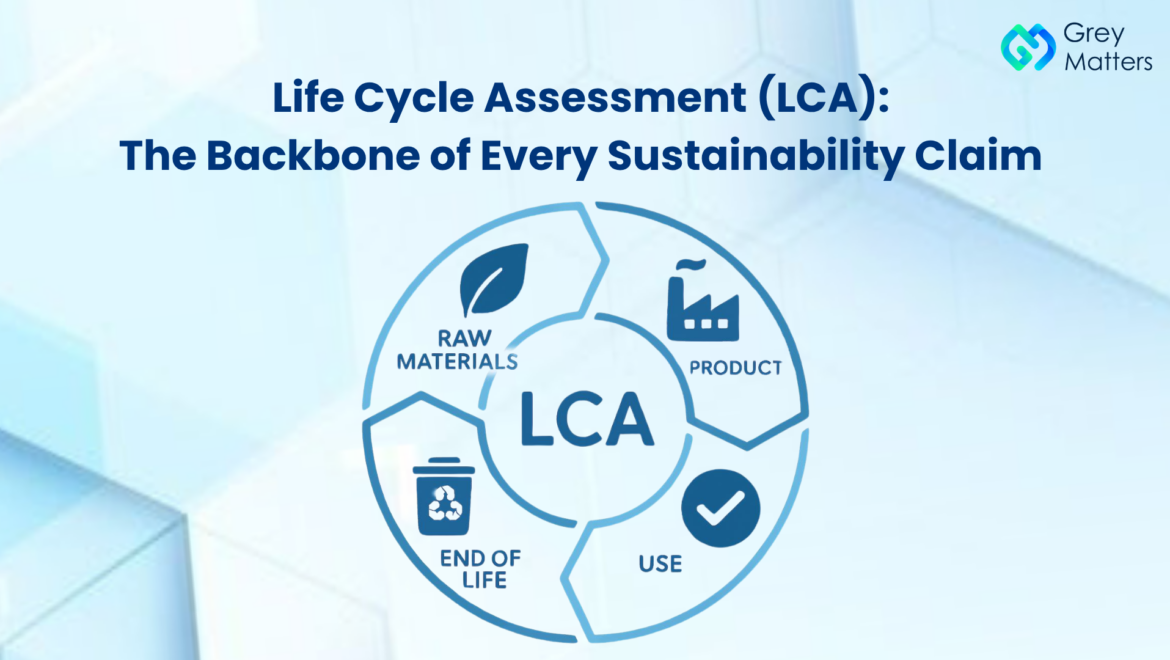
Life Cycle Assessment (LCA): The Backbone of Every Sustainability Claim

As transparency becomes a defining expectation across the construction and manufacturing sectors, the industry is moving beyond surface‑level sustainability labels. Today, clients, regulators, and certification bodies expect evidence‑based environmental performance, not broad statements or isolated documents. Sustainability is no longer about collecting certifications — it’s about understanding the full environmental profile of a product or system.

This is exactly where Life Cycle Assessment (LCA) plays a transformative role.

LCA is the scientific and methodological foundation behind Environmental Product Declarations (EPDs), Greenhouse Gas (GHG) reporting, and nearly every modern material transparency framework. By evaluating environmental impacts across the entire life cycle — from raw material extraction (A1) to end‑of‑life scenarios (C1–C4) — LCA provides a comprehensive, quantifiable, and standardized view of a product’s footprint.

In simple terms, LCA converts sustainability from a marketing claim into measurable, verifiable data.

Why LCA Matters More Than Ever

  1. It provides the foundation for credible EPDs rely entirely on LCA results. Without a robust, ISO‑compliant LCA, an EPD cannot be published or trusted. LCA ensures consistency in functional units, system boundaries, impact categories, and data quality — all essential for comparability.
  2. It helps manufacturers identify real opportunities for impact reduction LCA highlights environmental hotspots across the supply chain, enabling companies to:
  • Optimize material choices
  • Improve energy efficiency
  • Reduce embodied carbon
  • Enhance circularity strategies

This turns sustainability into a strategic design tool, not just a reporting exercise.

  1. It supports green building certifications LCA‑based EPDs contribute directly to credits in:
  • LEED v4.1 (MR credits)
  • Estidama
  • BREEAM (Mat 01)

Project teams increasingly prefer suppliers who can provide LCA‑backed documentation.

  1. It enables companies to meet growing regulatory and client expectations Governments and major developers are tightening requirements around embodied carbon disclosure, circularity, and supply chain transparency. LCA provides the standardized methodology needed to comply with evolving regulations and procurement criteria.
  2. It drives smarter, more sustainable product design By modeling alternative scenarios — different raw materials, energy mixes, transport routes, or end‑of‑life pathways — LCA empowers manufacturers to make informed decisions early in the design process, where the greatest impact reductions can be achieved.

As the industry shifts toward deeper accountability and data‑driven sustainability, LCA is no longer optional. It has become a strategic necessity for manufacturers, consultants, and project teams who want to stay competitive, compliant, and credible.

LCA doesn’t just support sustainability claims — it validates them.

News

Why Health Product Declarations (HPDs) are becoming essential in Green Building Certifications?

As the global construction industry shifts toward healthier, more sustainable materials, Health Product Declarations (HPDs) have emerged as a critical tool for achieving leading green building certifications. Whether a project targets LEED, WELL, or Green Star, HPDs now play a central role in demonstrating material transparency and supporting healthier indoor environments.

How HPDs Strengthen Certification Pathways

1. Supporting LEED’s Material Ingredients Credits

LEED v4 and v4.1 reward projects that disclose product chemistry using recognized frameworks. HPDs directly contribute to:

  • Building Product Disclosure and Optimization – Material Ingredients
  • Low‑Emitting Materials (when paired with VOC testing)

By providing ingredient inventories down to 0.1% and screening against hazard lists, HPDs simplify compliance and accelerate documentation.

2. Aligning with WELL’s Health‑First Approach

WELL prioritizes occupant well‑being, and HPDs help project teams select materials that avoid harmful chemicals. They support features related to:

  • Material transparency
  • VOC restrictions
  • Hazardous material reduction

This makes HPDs a natural fit for WELL‑certified interiors and workplaces.

3. Meeting Green Star’s Responsible Products Framework

Green Star emphasizes responsible manufacturing and transparent supply chains. HPDs help demonstrate:

  • Chemical disclosure
  • Hazard screening
  • Product stewardship

This is increasingly relevant in regions like the UAE, where developers are adopting global sustainability standards.

Why HPDs Improve the Certification Process

1.     Standardized Documentation

HPDs follow a consistent format, making it easier for reviewers to verify compliance and reducing back‑and‑forth during submissions.

2.    Faster Material Vetting

Designers and sustainability consultants can quickly compare products, identify safer alternatives, and build compliant material libraries.

3.     Reduced Risk for Owners and Developers

Transparent materials help mitigate long‑term risks related to indoor air quality, chemical exposure, and evolving regulations.

Why Manufacturers Should Care

HPDs aren’t just beneficial for project teams — they’re a strategic advantage for manufacturers.

1.     Increased Specification Rates

Products with HPDs are more likely to be selected for LEED, WELL, and Green Star projects.

2.     Alignment with Global Transparency Trends

From REACH in Europe to EPA regulations in the US, transparency is becoming mandatory. HPDs help manufacturers stay ahead.

3.     Enhanced Brand Trust

Open disclosure builds credibility with architects, designers, and sustainability consultants — a powerful differentiator in competitive markets.

HPDs are more than a documentation tool. They are a catalyst for:

  • Healthier indoor environments
  • Safer material chemistry
  • Responsible manufacturing
  • Informed design decisions

As cities like Dubai continue pushing toward greener, healthier, and more transparent construction practices, HPDs will only grow in importance.

News

Concrete & the Multi Attribute Score (MAS) in LEED v5

LEED v5 introduces the Multi-Attribute Score (MAS) – a single, performance-based score that evaluates how sustainable a product is. For concrete producers, MAS is now one of the most important ways to contribute to LEED v5 material points.

What Is MAS?
MAS is a 0–5 score assigned to each product based on verified sustainability documentation.
It evaluates performance across five attributes:
• Climate Health
• Human Health
• Ecosystem Health
• Social Health & Equity
• Circular Economy
Concrete is a high impact material because it can score across multiple criteria.

How does Concrete Contribute to MAS?
1. Climate Health
• Product specific Environmental Product Declaration (EPD) → 1 point
• Optimized EPD (>20% GWP reduction) → 2 points
• Optimized EPD (>40% + additional impact reductions) → 3 points
• Concrete Sustainability Council (CSC) CO₂ Module → 1–2 points
2. Human Health
• Health Product Declaration (HPD) (basic) → 1 point
• HPD (third party verified) → 2 points
3. Ecosystem Health & Social Health
• Concrete Sustainability Council (CSC) Certification:
o Bronze → 1 point
o Silver → 2 points
o Gold/Platinum → 3 points
CSC matters because it is the only responsible sourcing certification designed specifically for concrete.

How is MAS Calculated?
MAS = sum of the highest score earned in each criteria area, up to a maximum of 5 points.
You cannot stack points within the same category – you take the highest one.
Example of MAS Score for a Concrete Mix
A concrete producer offers:
• Optimized EPD (20% GWP reduction) → 2 points
• CSC Silver → 2 points
• CSC CO₂ module (1 star) → 1 point
MAS = 2 + 2 + 1 = 5 (maximum score)
This mix becomes extremely valuable for LEED v5 projects.

Where does MAS Contribute in LEED v5?
1. MRc4 – Building Product Selection & Procurement
Up to 5 points
Concrete contributes when it has: EPDs, CSC certification, HPDs (for exposed concrete), and low carbon performance.
2. MRpc181 – Multi Attribute Structural Materials (Pilot Credit)
Up to 2 points
Structural concrete with MAS ≥ 3 helps the project meet the required number of qualifying materials.

Conclusion
MAS shifts LEED v5 toward performance, transparency, and verified impact. Concrete producers who can demonstrate low carbon performance, responsible sourcing, and material health transparency will see their products play a significantly larger role in helping projects achieve LEED v5 certification.

News

Environmental Product Declaration (EPD): Advantages Manufacturers Overlook

Environmental Product Declaration (EPD) is often seen as a document produced mainly to meet LEED, BREEAM, and other local green building or project‑specific sustainability requirements. However, since EPDs follow ISO 14025 and EN 15804, they generate verified data that delivers far more value inside a manufacturing business than most teams realize.

Companies that treat EPDs only as a compliance task miss the real opportunity. Those that use EPD data strategically gain efficiency, control, and competitive advantage.

  1. Clear Visibility into Operational Hotspots

EPDs quantify energy use, raw materials, transport, and waste across the Product Stage (A1–A3). This exposes inefficiencies like high fuel consumption, batching inconsistencies, and unnecessary material losses – issues that would otherwise stay hidden.

The result: targeted improvements that reduce both emissions and operating costs.

  1. Stronger, More Transparent Supply Chains

Because EPDs require primary data from suppliers, manufacturers gain a clearer view of all key inputs – whether they are metals, chemicals, polymers, textiles, electronics, packaging, or other raw materials.

This supports better supplier selection, encourages upstream improvements, and strengthens procurement decisions.

  1. Data That Drives Product Innovation

Environmental Product Declarations break down environmental impacts into standardized categories such as Global Warming Potential (GWP), Ozone Depletion Potential (ODP), Acidification Potential (AP), Eutrophication Potential (EP), energy demand, water use, and resource depletion.

R&D teams use this to select alternative materials, optimize formulations, improve manufacturing processes, or integrate recycled or lower‑impact inputs, thus creating sustainable, more competitive product lines.

  1. EvidenceBased Decision-Making

EPDs convert environmental performance into standardized metrics (kg CO₂e per declared unit).

This allows the leadership team to benchmark product lines, prioritize investments, and track decarbonization progress with measurable and comparable data.

  1. BuiltIn Readiness for Future Regulations

With embodied carbon caps and disclosure requirements increasing globally, EPDs give companies verified data that can be used for compliance, government procurement, and carbon‑related reporting, thus reducing regulatory and market risk.

The Takeaway

EPDs are not just compliance documents. They are strategic tools that help manufacturers improve efficiency, strengthen supply chains, drive innovation, and prepare for future regulations – whilst building a stronger competitive position.

News

DO NOT RISK PENALTIES – Time to get your Greenhouse Gas (GHG) Report available

Greenhouse gases (GHG) are heat-trapping gases such as carbon dioxide (CO₂), methane (CH₄), and nitrous oxide (N₂O), primarily generated from energy use, industrial processes, transport, and waste. Measuring and managing these emissions is critical to addressing climate change.

To strengthen climate governance and accelerate progress toward Net Zero 2050, the United Arab Emirates introduced Federal Decree Law No. 11 of 2024, establishing a mandatory framework for GHG measurement, reporting, and reduction across public and private sectors, including free zones.

What does the law require?

  • Mandatory GHG Reporting: All in-scope entities must measure and report their emissions using methodologies approved by the Ministry of Climate Change and Environment (MOCCAE).
    Monitoring, Reporting & Verification (MRV): Companies must implement systems to track emissions, with mandatory reporting of Scope 1 and Scope 2, maintain records, and ensure data accuracy and verification.
    Reporting & National Registry: Emissions data must be submitted periodically and integrated into national inventories or registries.
    Record Keeping & Transparency: Businesses are required to maintain emissions data records (e.g., multi-year tracking) for regulatory review and audit.
    Emission Reduction & Strategy: Organizations must develop decarbonization plans aligned with national targets such as Net Zero 2050.
    Climate Risk & Adaptation: Companies are also expected to assess climate risks and implement mitigation and adaptation measures.

Why it matters?

This Decree-Law shifts GHG reporting from a voluntary ESG initiative to a legal compliance requirement, with enforcement, oversight, and penalties for non-compliance. It applies broadly across industries, including free zone entities, reinforcing the UAE’s commitment to global climate goals.

The legislation also establishes financial penalties ranging from AED 50,000 to AED 2 million for non‑compliance. Companies that act now, stay ahead; those that don’t, risk penalties and operational pressure as enforcement ramps up. For businesses, this is not just about compliance; it’s a strategic opportunity to improve efficiency, enhance ESG credentials, and contribute to a low-carbon economy.

Now is the time to actestablish your GHG inventory, implement robust reporting systems, and align with regulatory expectations.

News

Concrete Sustainability Council (CSC) Certification: What Concrete Producers Need to Know

The Industry Shift

Sustainability compliance expectations are escalating. LEED v5, Mostadam, and public procurement now expect verified responsible sourcing. By earning Concrete Sustainability Council (CSC) certification, producers can distinguish themselves in a crowded market, demonstrate leadership in sustainable construction, and unlock opportunities that favour suppliers with proven environmental credentials.

What is CSC?

The CSC certification is a global responsible sourcing standard for concrete, cement, and aggregates. It verifies:

  • Responsible supply chain management
  • Environmental impact and resource efficiency
  • Worker welfare and community impact
  • Ethical and economically responsible operations.

It provides the third-party proof project teams require.

Why It’s Advised?

  • LEED v5: CSC supports new carbon and sourcing prerequisites and helps concrete contribute to priority credits.
  • Mostadam: CSC aligns with responsible sourcing and environmental performance requirements.
  • Public tenders: Increasingly favour or require certified plants.

CSC is becoming the default expectation for sustainable concrete supply.

Business Advantages

CSC certification helps producers:

  • Unlock additional LEED v5 and Mostadam credits
  • Build trust with developers and contractors
  • Demonstrate verified sustainability practices
  • Reduce lost bids and improve market access

CSC certification = stronger credibility and competitive advantage.

News

 The New Carbon Reality: Why Manufacturers Are Under Pressure?

Industry Shift Carbon requirements are tightening quickly. With LEED v5, sustainable procurement policies, and new green building standards rolling out, project teams now expect verified environmental data for every product they consider. Life Cycle Assessments (LCAs) and Environmental Product Declarations (EPDs) have moved from “nice additions” to standard requirements, and many manufacturers are struggling to keep up with the pace of change.

The Business Problem More companies are losing bids not because their products fall short, but because their documentation isn’t ready. LEED driven and public projects increasingly require transparency data upfront, and when manufacturers don’t provide it, their products are removed from consideration. The lack of timely LCAs and EPDs has become a major barrier to winning work.

The Insight Carbon transparency is no longer optional. It’s now a baseline expectation for staying in the supply chain and meeting the requirements of LEED, other regional frameworks, and major developers. If a manufacturer doesn’t provide verified environmental data, project teams simply move on to someone who does.

LEED Requirements LEED v5 strengthens material transparency expectations by introducing a new Carbon Assessment prerequisite and expanding product disclosure requirements. Projects must now evaluate embodied carbon early in design and use verified product‑specific EPDs that follow ISO standards. LEED v4.1 and v5 also reward teams for selecting products with third‑party‑verified LCAs, EPDs, and ingredient disclosures, making manufacturers with ready documentation far more likely to be specified.

The Solution A simple, streamlined LCA/EPD process is becoming essential for staying competitive. Manufacturers who succeed in today’s market are the ones who prepare documentation early, track emissions consistently, and build repeatable workflows for transparency reporting. This isn’t just about being “GREEN.” It’s about staying in the market as carbon rules continue to tighten.

Simple, repeatable documentation workflows = fewer lost bids.

News

Demystifying Health Product Declarations (HPDs): Why They Matter More Than Ever?

In today’s built environment, transparency isn’t just a buzzword — it’s a responsibility. Whether you’re an architect, designer, contractor, or manufacturer, understanding what’s in the materials we specify and use is becoming mission-critical. This is where Health Product Declarations (HPDs) step in.

What is an HPD?

A Health Product Declaration (HPD) is a standardized document that provides transparent information about the contents of building products and their associated health effects. It’s like a nutrition label for building materials — showing you what’s inside, how much of it is there, and whether any of those ingredients pose potential health risks.

Developed by the HPD Collaborative, the HPD Open Standard helps professionals make informed decisions by aligning product transparency with human health and environmental goals.

 Why HPDs Matter in the AEC (Architecture, Engineering & Construction) Industry?

  • Material Transparency: Clients, designers, and regulators increasingly demand transparency. HPDs offer a consistent format for disclosing product content and associated hazards.
  • Healthier Buildings: HPDs help reduce exposure to toxic substances and improve indoor air quality — a growing concern in commercial and residential spaces.
  • Sustainability Certifications: HPDs contribute to LEED, WELL, and Living Building Challenge points. If you’re aiming for green certification, HPDs can be a strategic tool.
  • Market Differentiation: For manufacturers, offering HPDs positions your brand as accountable, transparent, and forward-thinking.

What’s included in an HPD?

An HPD typically includes:

  • Product ingredients and materials
  • CAS Registry Numbers (Chemical Abstract Service)
  • Ingredient percentages by weight
  • Hazard screening based on authoritative chemical lists
  • Optional disclosure of life cycle and VOC content

This data allows specifiers to evaluate risk, compliance, and suitability for health-conscious projects.


The Future of Material Health is Transparent

As the construction industry leans more heavily into ESG (Environmental, Social, and Governance) commitments, tools like HPDs will play an increasingly vital role. They don’t just help us build better buildings — they help us build trust.

Whether you’re a specifying architect, a manufacturer, or a client pushing for healthier spaces, HPDs are more than just documents — they’re a step toward a healthier, more responsible built environment.